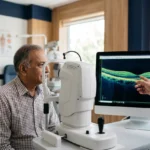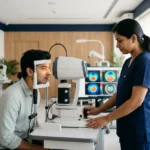


In many families the conversation starts the same way. Someone notices that Nani holds the newspaper closer than before, or that Papa has stopped driving after dark without really saying why. Cataract creeps in slowly, and people adjust without noticing how much they have adjusted.
Cataract surgery in Aligarh is one of the most common eye operations done, yet the questions around it are very personal. When is the right time? Which lens? What will recovery actually involve for an older parent? This piece goes through those questions one at a time.
What a cataract is, in plain terms
Inside the eye sits a natural lens that focuses light. With age it slowly turns cloudy and yellowish, a little like a window that has not been cleaned in years. That cloudy lens is a cataract. It is not a growth or a film on the surface, and it cannot be removed with drops or exercises.
Common signs include glare from headlights at night, colours looking dull, frequent changes in spectacle power and needing more light to read.
There is no single right time
The old advice of waiting until a cataract is “ripe” no longer applies. Today the timing is decided by how much the cataract is affecting daily life. If it is getting in the way of reading, cooking, recognising faces or moving safely around the house, that is a reasonable time to talk about surgery.
A few situations call for earlier action, such as a cataract that makes it hard for the doctor to examine the retina in a diabetic patient, or one that raises eye pressure. Your eye doctor will tell you if either applies.
Monofocal and premium lens cataract surgery
During surgery the cloudy lens is removed and replaced with a clear artificial lens, called an intraocular lens. The choice of this lens shapes how you will see afterward, so it deserves a proper conversation.
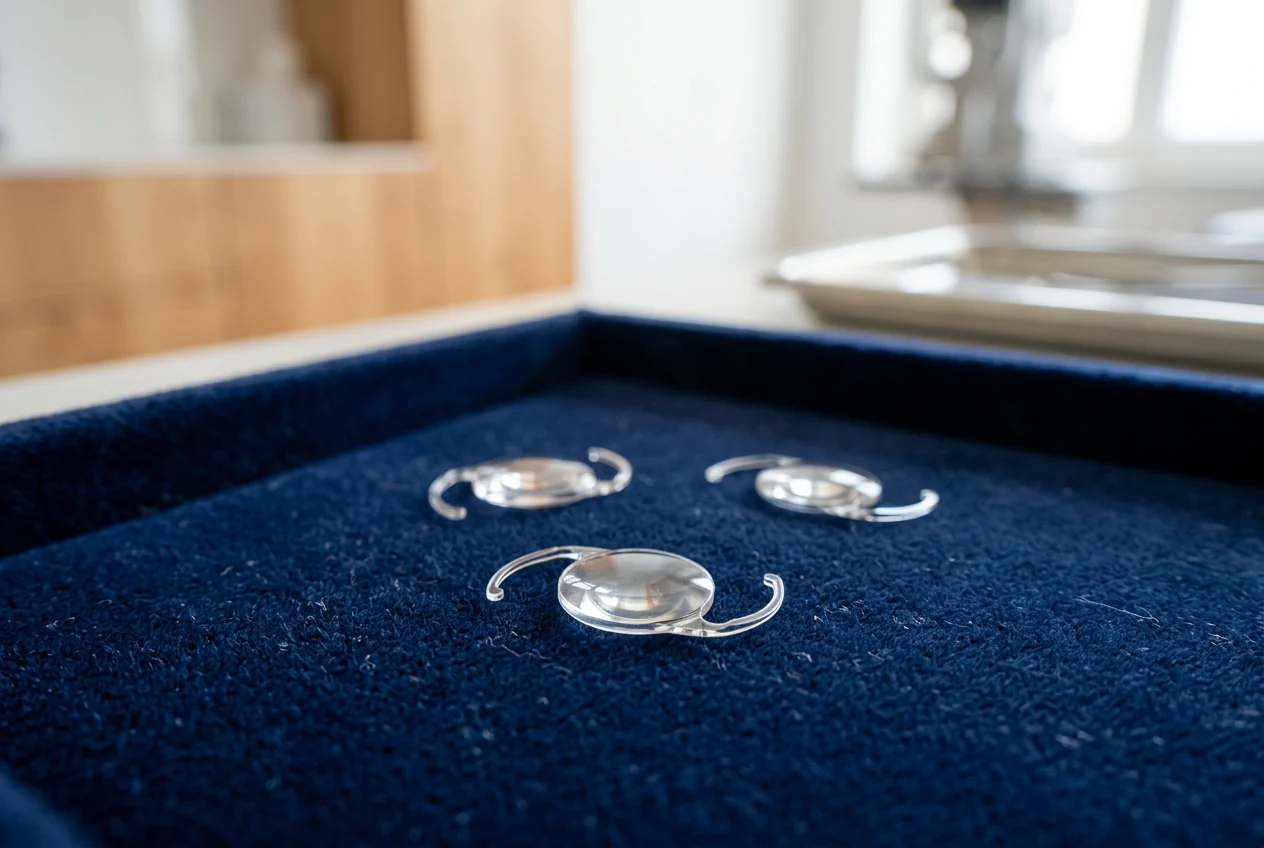
A standard monofocal lens gives clear vision at one distance, usually far. Most people then use reading glasses for near work. It is a reliable, well-tested choice and suits many patients well.
Premium lens cataract surgery covers lenses designed to reduce dependence on spectacles. Toric lenses correct astigmatism. Multifocal and extended depth of focus lenses aim to give a range of distances. They do not suit everyone. People with certain retina conditions, glaucoma or very dry eyes may be better served by a monofocal lens, and some notice halos around lights at night with multifocal designs. The decision rests on your eye scans, your daily habits and your expectations, and a good doctor will say so plainly if a premium lens is not a sensible fit.
What to expect on the day and afterward
Modern cataract surgery is usually done under local anaesthesia with numbing drops, and the patient goes home the same day. Plan for someone to accompany your parent, since they will need help with drops and a ride home.
In the weeks that follow, eye drops are used on a schedule, the eye is protected from dust and rubbing, and follow-up visits check healing. Many people notice brighter colours quite early, though the final glasses prescription is usually given after the eye has settled.
Preparing a parent for surgery
Older patients often worry more about the process than the operation itself. It helps to explain each step in advance, from the scans for lens power to the drops after surgery, in the language they are most comfortable with. Bring a list of every medicine they take, including blood thinners and diabetes tablets, to the evaluation, since some may need a change in timing around surgery day.
At home, set up the basics before the day. A clean pillow cover, a chair with good light for putting drops, and the drop schedule written in large print on a card all make the first week easier. If both eyes need surgery, the second eye is usually done after the first has settled, so the family can plan help in two short blocks rather than one long one.
Questions worth asking any eye hospital in Aligarh
Before deciding where to have surgery, it helps to ask a few direct questions. Who will perform the operation? How are lens measurements taken? Will the retina be checked before surgery, especially for diabetic patients? What happens if there is a problem after hours?
Clear, specific answers matter more than a long list of facilities.
Book Your Visit
If you or a parent are noticing the signs of cataract, a cataract evaluation is a good first step. Book online at laserplanet.in, call or WhatsApp +919837065877, or write to in**@*********et.in. Laser Planet & ASG Retina Foundation, Niranjanpuri, Ramghat Road, Aligarh – 202001.